
What Is Passive House and Is It Worth It in Melbourne?
November 2023
Last updated October 2026
Is Passive House worth it for a Melbourne home?
A home should feel comfortable throughout the year, without relying heavily on heating and cooling. Passive House, also known as Passivhaus, is a building standard designed to achieve this through insulation, airtightness, high-performance windows, careful detailing and mechanical ventilation with heat recovery.
For Melbourne homes, there is real value in this approach. It addresses cold rooms, draughts and summer overheating while reducing the energy needed to keep your home comfortable. Whether you pursue certification or apply the principles, the design needs to respond to your property, your budget and how you want to live.
As Passivhaus architects in Melbourne, we work with these principles across new homes and renovations, including heritage properties. We consider building performance from the beginning, alongside the layout, materials and character of your home.
An early Master Plan or Feasibility Study helps us explore what is possible and where to focus your investment. This guide explains the benefits, costs and design considerations.
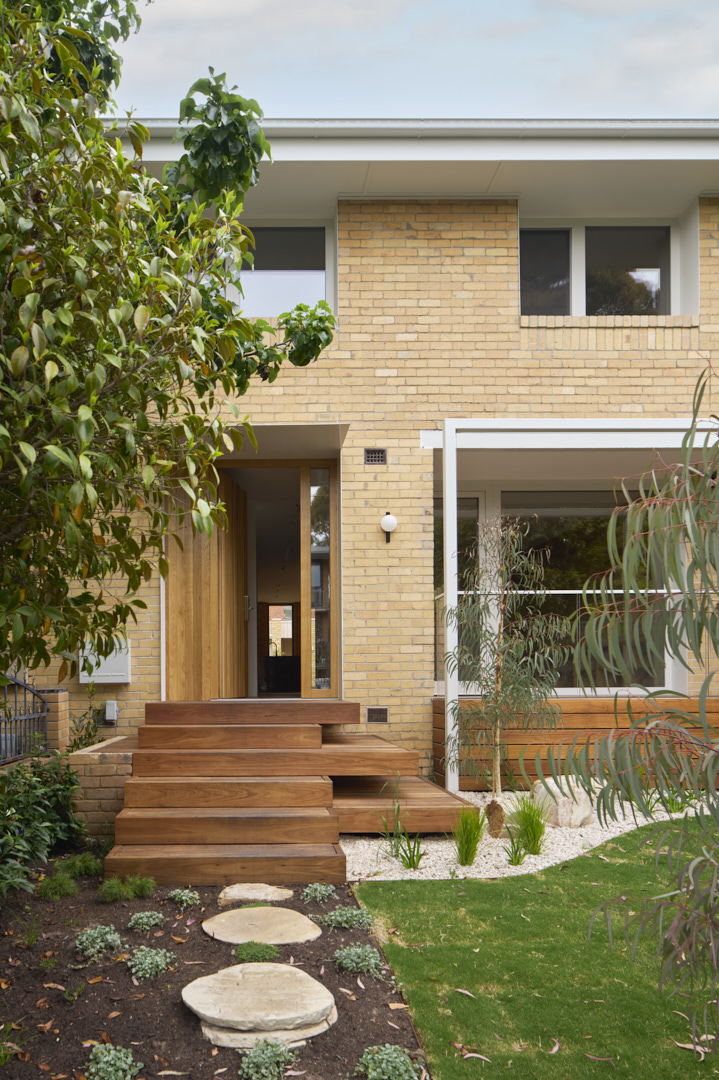
Why clients choose Passive House in Melbourne
Year-round comfort with less energy
Good insulation, airtightness and high-performance windows help keep warmth inside during winter. In summer, carefully considered glazing and shading help limit unwanted heat gain.
Together, these measures create more consistent indoor temperatures, with fewer draughts and cold spots. In Melbourne’s variable climate, this makes a noticeable difference to how a home feels and reduces the heating and cooling needed to stay comfortable.
Fresh air and a quieter home
Mechanical ventilation with heat recovery (MVHR) brings filtered outdoor air into your home and removes stale air from kitchens, bathrooms and laundries. In winter, it recovers heat from the outgoing air, helping retain the warmth inside.
The filters can reduce incoming pollen and airborne particles, depending on the filters used. Airtight construction and well-specified windows also help reduce outside noise, which can make a considerable difference on a busy Melbourne street.
You can still open your windows whenever you like. When it is cold, hot or noisy outside, the ventilation system provides fresh air while they remain closed.
Durability
A home needs to perform well over time. Continuous insulation, airtightness and careful detailing help keep internal surfaces warmer in winter, reducing the risk of condensation and mould.
Particular attention is needed at junctions, such as where walls meet floors, roofs and windows. These are places where heat can escape and moisture problems can develop.
Durability also relies on appropriate materials, good moisture management and quality construction. Getting these details right during design and building them properly helps protect your home for the long term.
Designing for the long term
When you build or renovate, the decisions you make will affect how your home performs for decades. Reducing heating and cooling demand makes it less vulnerable to rising energy prices and more comfortable to live in.
We also need to consider how the home will cope with hotter summers. This means looking carefully at shading, the size and location of windows, and the risk of overheating from the outset. Energy modelling helps us test these design decisions before construction begins.
Economics and affordability
Building to the Passive House standard can cost more. The additional investment includes energy modelling, detailed design and high-performance components. How much more depends on the size and complexity of your project and the standard of construction you are comparing it with.
Considering Passive House from the beginning gives us more opportunity to manage these costs. Working with the builder and Passivhaus consultant early helps identify where to focus the budget. A well-planned layout and a straightforward building form can also make a significant difference.
Lower heating and cooling bills contribute to the value, but they are only part of the picture. Everyday comfort, fresh air and a quieter home matter too. Whether the energy savings repay the additional cost will depend on your project, energy prices and how you use your home.
Learn more about the costs of building to the Passivhaus standard.
Design flexibility
Passive House does not prescribe what your home should look like. The design can respond to the character of an existing house, a contemporary brief or heritage requirements while achieving high levels of energy performance.
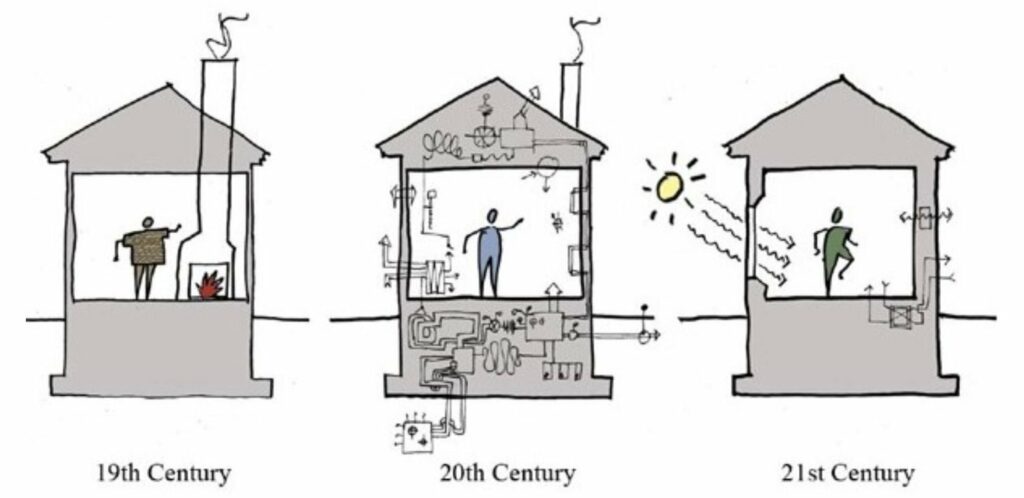
Image credit: Albert, Righter and Tittman Architects
The building’s form, window sizes and orientation all affect performance and cost. We consider these alongside the layout, proportions and materials from the beginning, so they become part of the architectural design.
Living in a Passive House is straightforward. The ventilation system runs continuously and needs routine maintenance, including checking and replacing filters.
Responding to Melbourne’s climate
In Melbourne, we need to design for cold winters and hot summers. Passive House modelling uses local climate data to assess how insulation, windows, shading and ventilation work together throughout the year.
We look carefully at where winter sun can be useful and where external shading is needed to keep summer heat out. Opening windows can also help cool the home when outdoor conditions are suitable.
A home that needs less energy for heating and cooling can meet more of its remaining needs with renewable energy. The materials we use matter too. Retaining existing building fabric where practical and choosing materials carefully helps reduce the environmental impact of the project.
Frequently asked questions
Will Building to the Passive House standard be more expensive?
It can be. The useful comparison is with a home of the same size and a similar level of design, finishes and construction quality. Otherwise, it is difficult to separate the cost of Passive House from other project choices.
We consider costs early with the builder and Passivhaus consultant, so we can explore how to achieve your goals within your budget. For renovations and heritage homes, we also need to understand the existing building and what will be required to upgrade it.
Is Passive House different to passive solar design?
Yes, although they share some design principles, including orientation, shading and careful window placement.
Passive solar design makes use of the sun’s warmth, thermal mass and natural ventilation to help keep a home comfortable. How well it works depends on the site, climate and design.
Passive House sets measurable performance requirements. Energy modelling assesses the design, and checks during construction, including airtightness testing, help verify that it has been built as intended. Insulation, airtightness, high-performance windows and mechanical ventilation work together to reduce heating and cooling demand and provide fresh air.
Winter sun can contribute to a Passive House’s performance, but a site with limited northern sun or overshadowing from neighbouring buildings can still be suitable.
Passive House was developed in Europe. Is it relevant to Australia?
Yes. Passive House responds to the climate where you are building. The insulation, windows and shading needed in Hobart will differ from those needed in Darwin.
In Melbourne, we need to retain warmth in winter and limit heat gain in summer. Energy modelling helps us work out how to achieve both for your particular home and site.
Can windows be opened in a Passive House?
Yes. You can open your windows to enjoy a breeze, hear the birds or connect with the garden.
When it is hot, cold or noisy outside, you can keep them closed and still have fresh air through the mechanical ventilation system. You choose when to open them.
Passive Houses are airtight. Is this healthy?
Airtightness and ventilation need to work together. Airtight construction reduces draughts and uncontrolled air leakage through gaps in the building. Mechanical ventilation provides a continuous supply of filtered outdoor air and removes stale air and excess moisture.
The ventilation system needs to be properly designed, installed and maintained. Checking and replacing filters is part of looking after your home.
Can Passive House principles be applied to existing homes?
Yes. Improving insulation, airtightness, windows and ventilation can make an existing home more comfortable and reduce its energy demand, even when certification is not the goal.
EnerPHit is the Passive House Institute’s retrofit standard. It allows for the constraints of working with existing buildings while setting demanding energy performance requirements.
For heritage homes, we start by understanding what needs to be retained and where improvements can be made. This means considering the original features, planning requirements and how new work will meet the existing building. An early assessment helps us establish a realistic performance target and identify the work needed to achieve it.
Is it worth it in Melbourne?
We believe Passive House is worth considering when building or renovating in Melbourne. A comfortable, quiet home that needs very little heating and cooling offers benefits you experience every day.
The right approach will depend on your existing home or site, your budget and what you want to achieve. Considering these together early helps us identify where your investment will make the most difference, whether you pursue certification or apply Passive House principles.
If you’re considering Passive House for your own home, see how we approach Passivhaus design.
You can read more about our studio and how we work, or explore our Master Plan service as a starting point for your project.