
Heritage Architect Melbourne
Jane Cameron Architects works extensively with heritage homes across Melbourne and regional Victoria — from Victorian and Edwardian terraces to mid-century residences and individually significant houses.
Our work includes heritage renovation, carefully designed extensions, and adaptive reuse, allowing older homes to evolve for contemporary living while respecting their architectural character.
These projects require thoughtful judgement about proportion, materiality, and the relationship between existing fabric and new work.
Heritage architecture is not simply about preservation. It is about continuity — ensuring buildings shaped by earlier generations remain relevant, useful, and resilient for contemporary life within today’s planning frameworks.
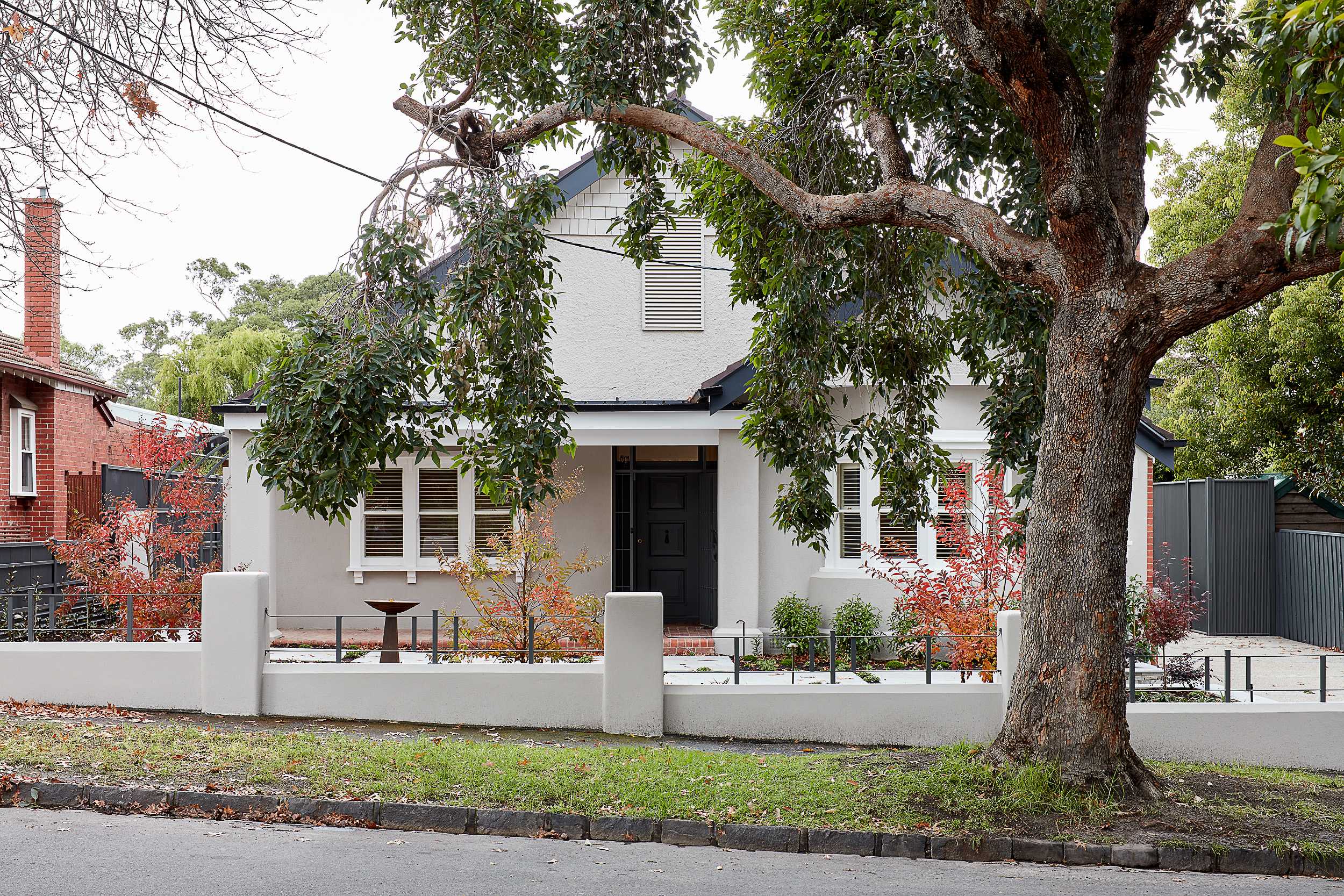
When clients come to us
Clients often come to us at moments of transition.
This may include acquiring a period home requiring renewal, planning an extension for a growing family, restoring deteriorated architectural elements, or seeking improved light and comfort within an older structure. Others may be navigating Heritage Overlay approvals for the first time, or exploring how sustainability upgrades might be integrated into an existing building.
At this stage, uncertainty is common. Heritage constraints and planning controls can make it difficult to understand what is possible.
Clear architectural advice provides structure, helping establish realistic parameters and a coherent direction for the project ahead.
Heritage planning in Melbourne
Heritage homes in Melbourne sit within a layered statutory framework, including Heritage Overlays, conservation studies, and neighbourhood character controls. These planning mechanisms shape what can be altered, removed, or added, influencing setbacks, visibility of new work, material choices, and the relationship between the original building and any extension.
Our approach to heritage planning is guided by:
- early and accurate understanding of planning constraints
- clear architectural reasoning to justify change
- considered dialogue with councils and heritage advisors
- careful documentation and presentation
When approached thoughtfully, these parameters do not restrict architecture. They establish a clear framework within which contemporary design can sit comfortably alongside historic fabric.
Heritage extensions
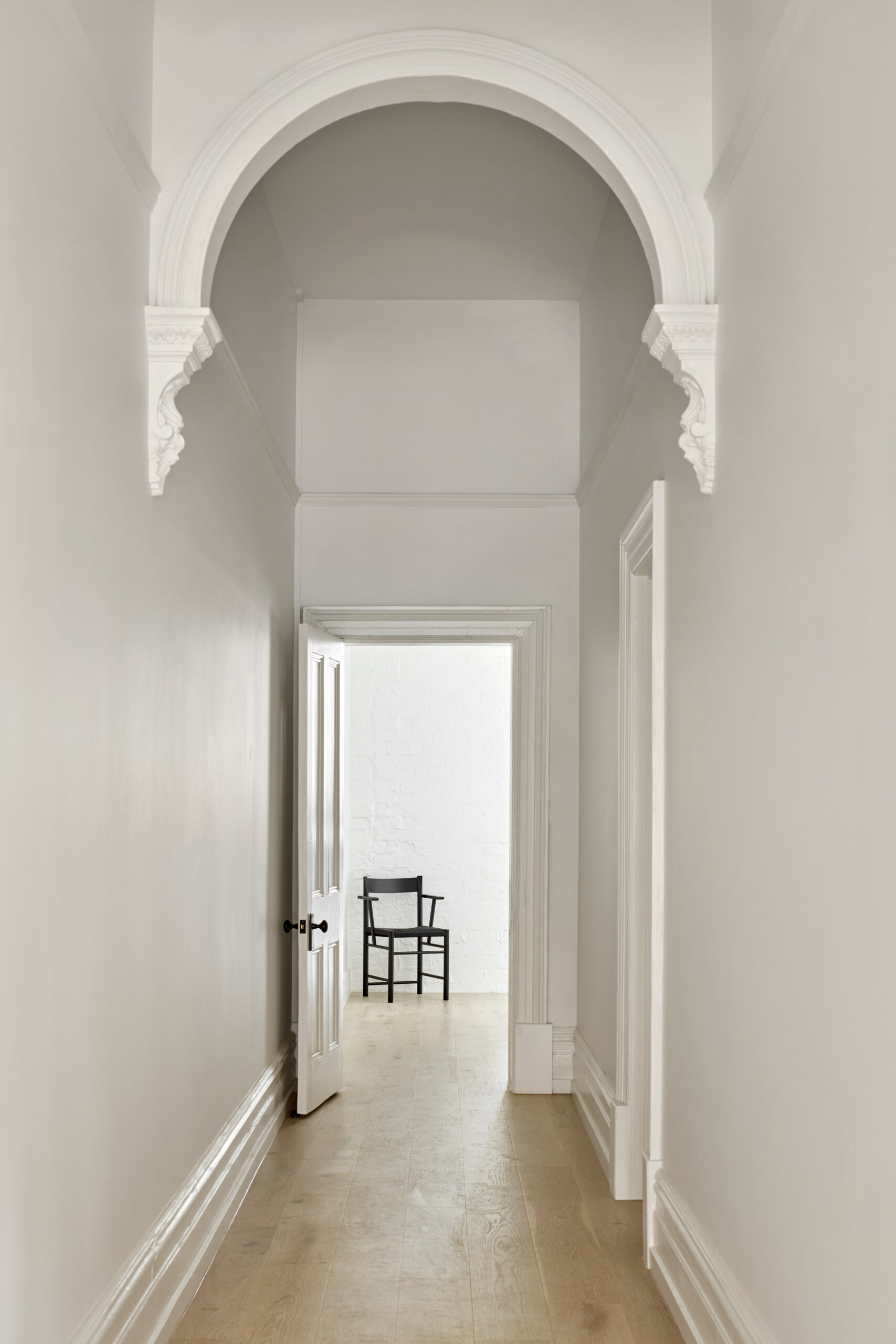
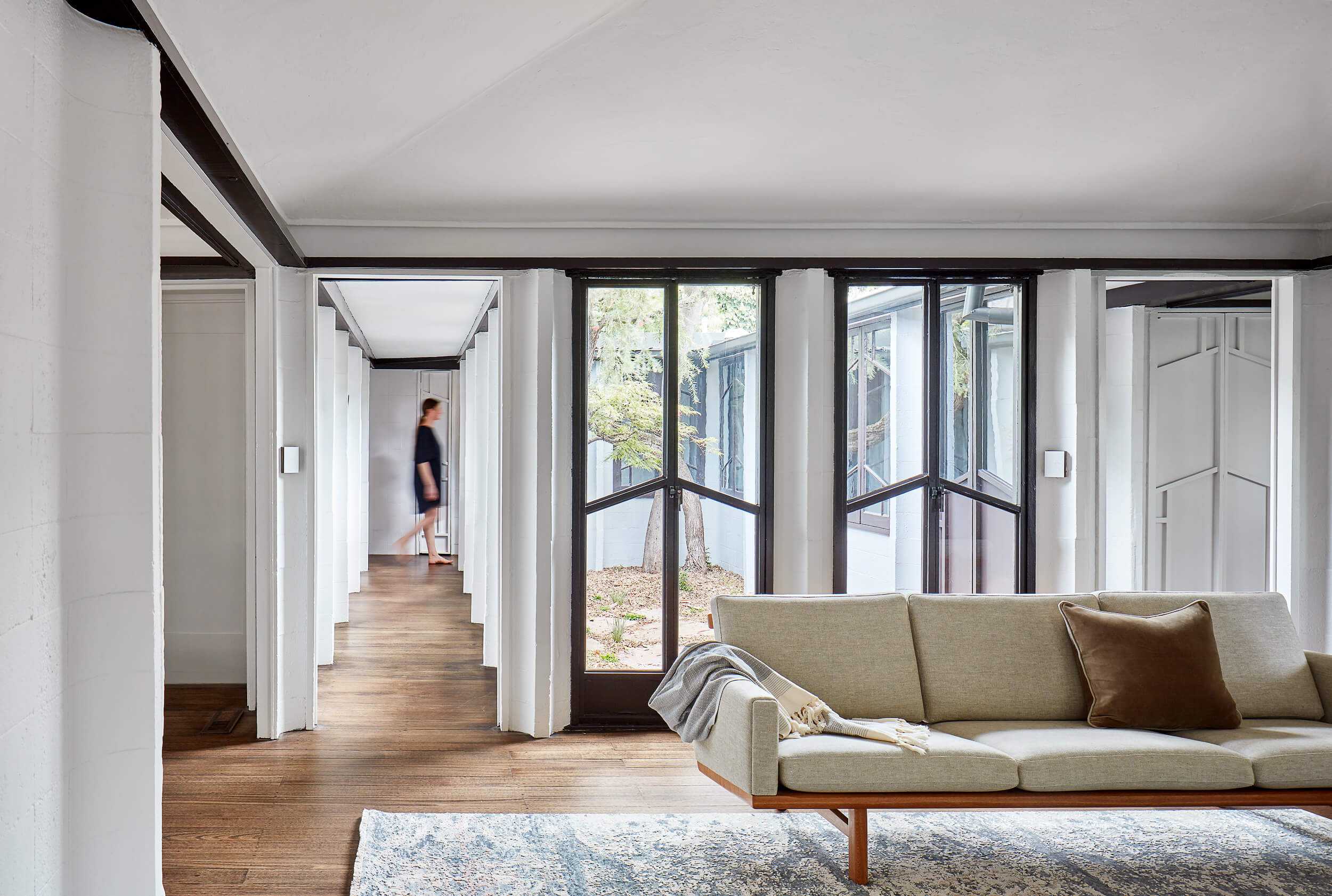
Many heritage projects involve extending an existing house to accommodate contemporary patterns of living, allowing older homes to evolve while retaining the character and proportion that define them.
In many Melbourne houses, the original street-facing rooms remain largely intact while new living spaces are introduced toward the rear of the site. This approach allows the architectural language of the original building to remain legible while accommodating contemporary family life.
Our approach to heritage extensions is guided by:
- clear understanding of the existing building’s structure and spatial logic
- thoughtful placement of new volume to respect streetscape and neighbours
- careful consideration of scale, materials, and proportion
- a contemporary response that complements rather than imitates the original house
When approached thoughtfully, the extension becomes a natural continuation of the building’s story rather than a competing addition.
Heritage renovation
Renovating period homes requires a different level of judgement than designing a new building. Existing fabric, structural limitations, heritage overlays, and spatial constraints must be carefully understood before any change is proposed. Yet these complexities are also what make heritage projects so rewarding. Older homes often reveal patterns of living, durable materials, and architectural intentions that can be extended rather than replaced.
Our approach to heritage renovation is guided by:
• retaining and repairing original fabric where it holds architectural or cultural significance
• introducing clearly contemporary work that remains measured in scale and proportion
• avoiding imitation and false historical reconstruction
• reinterpreting traditional materials and details through modern design
This approach allows heritage buildings to remain authentic while accommodating contemporary living.
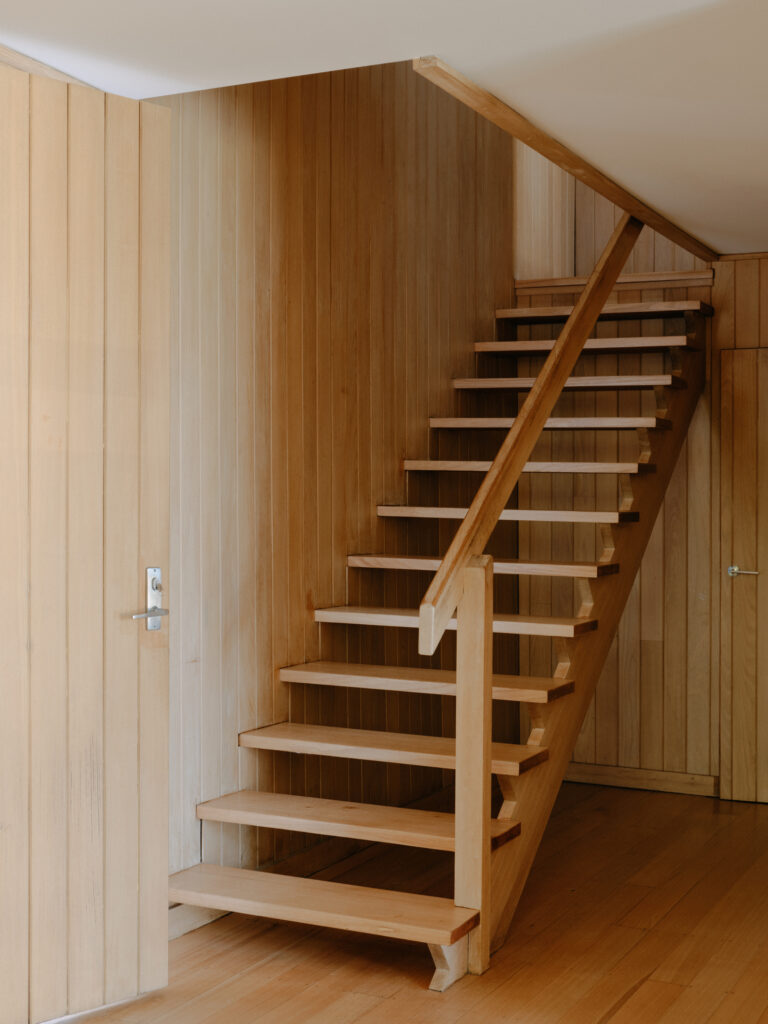
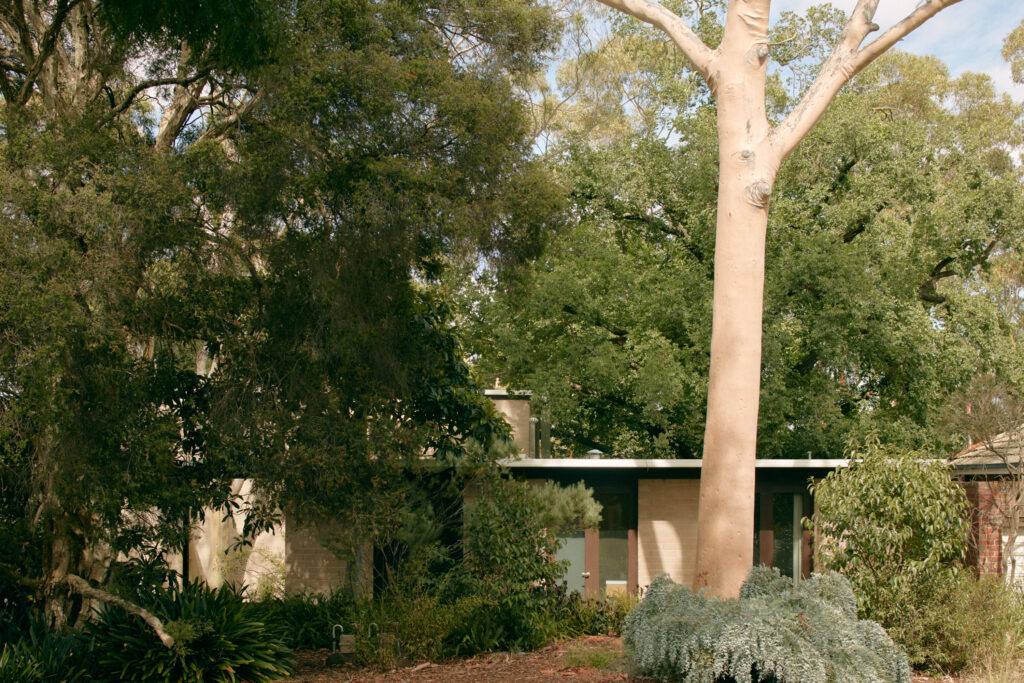
Renovation, extension, and continuity
Heritage projects begin with close observation. We seek to understand the building’s architectural significance, how it has evolved over time, and which elements should be preserved or adapted. From this analysis, a design strategy emerges — balancing continuity with change.
Preserve what matters
Original proportions, materials, detailing, and spatial qualities are retained wherever possible so the architectural history of the house remains legible.
Add new work with clarity
New work is deliberately contemporary — distinct in its time, yet harmonious in scale, rhythm, and material expression.
Improve comfort and performance
Sensitive upgrades to insulation, glazing, airtightness, and building services can significantly improve comfort while maintaining heritage character.
Together, these strategies allow older homes to remain functional, valued, and enduring.
Heritage homes for the future
Heritage buildings must do more than survive.
They must continue to support contemporary life — comfortably, efficiently, and responsibly.
This may involve improving thermal performance, enhancing indoor air quality, and introducing systems that support healthier living environments.
It also means ensuring buildings remain adaptable for future needs and maintainable over time. When approached carefully, heritage renewal becomes an act of future-making — extending the life of existing fabric while improving comfort and resilience.
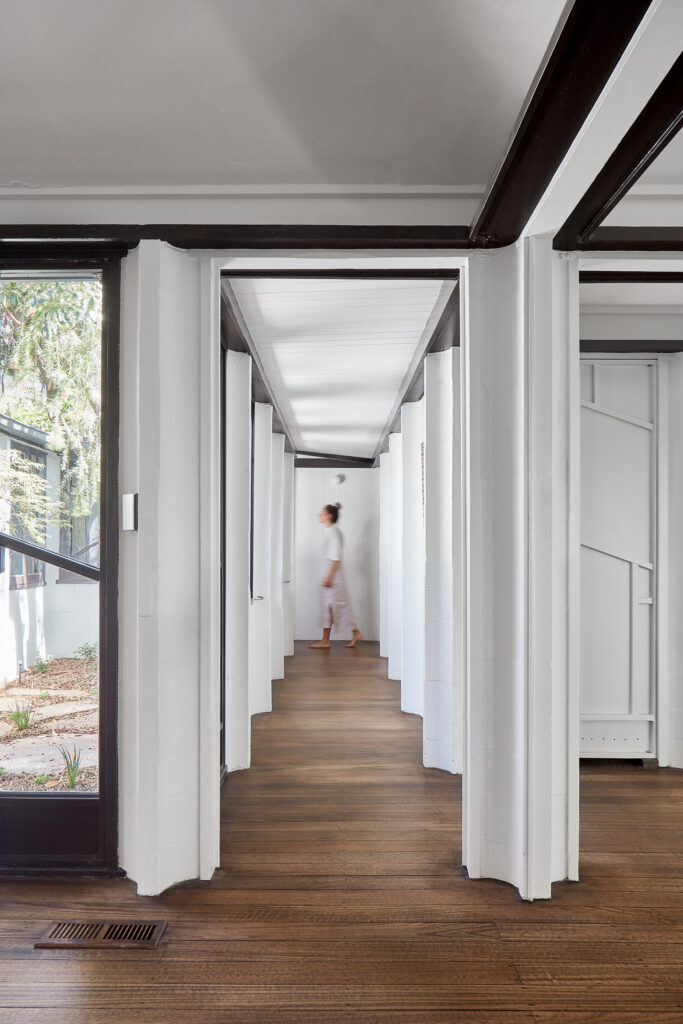
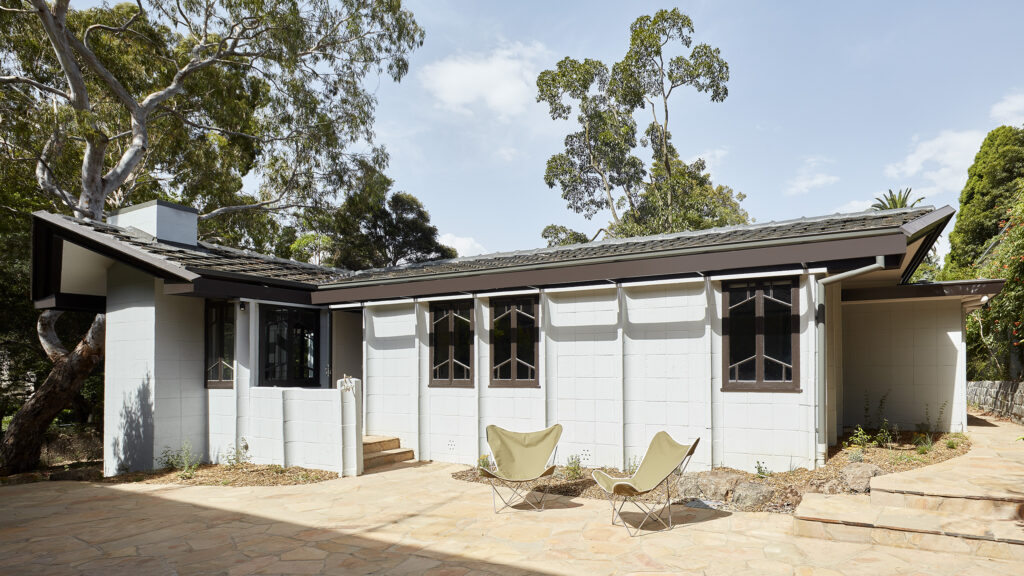
Sustainability and sensitive retrofit
The most sustainable building is often the one that already exists.
Retaining and adapting existing structures can significantly reduce the embodied carbon associated with demolition and new construction.
Thoughtful upgrades to the building envelope and services can deliver meaningful improvements in energy performance while respecting heritage significance.
Strategies may include:
- discreet insulation improvements
- considered glazing upgrades where appropriate
- improved airtightness and moisture management
- efficient all-electric heating and cooling systems
- healthy ventilation design
Where appropriate, Passive House principles or EnerPHit retrofit strategies may inform the performance approach.
In other situations, the retention of significant heritage elements requires a carefully balanced approach that prioritises comfort improvements without compromising architectural integrity.
Planning and heritage approvals
Planning approval is the most uncertain stage of a heritage project.
Our experience working across Melbourne municipalities helps reduce uncertainty by identifying likely constraints early and establishing a clear planning pathway.
Careful preparation and respectful engagement with planning authorities helps minimise redesign and maintain project momentum from concept through to construction.
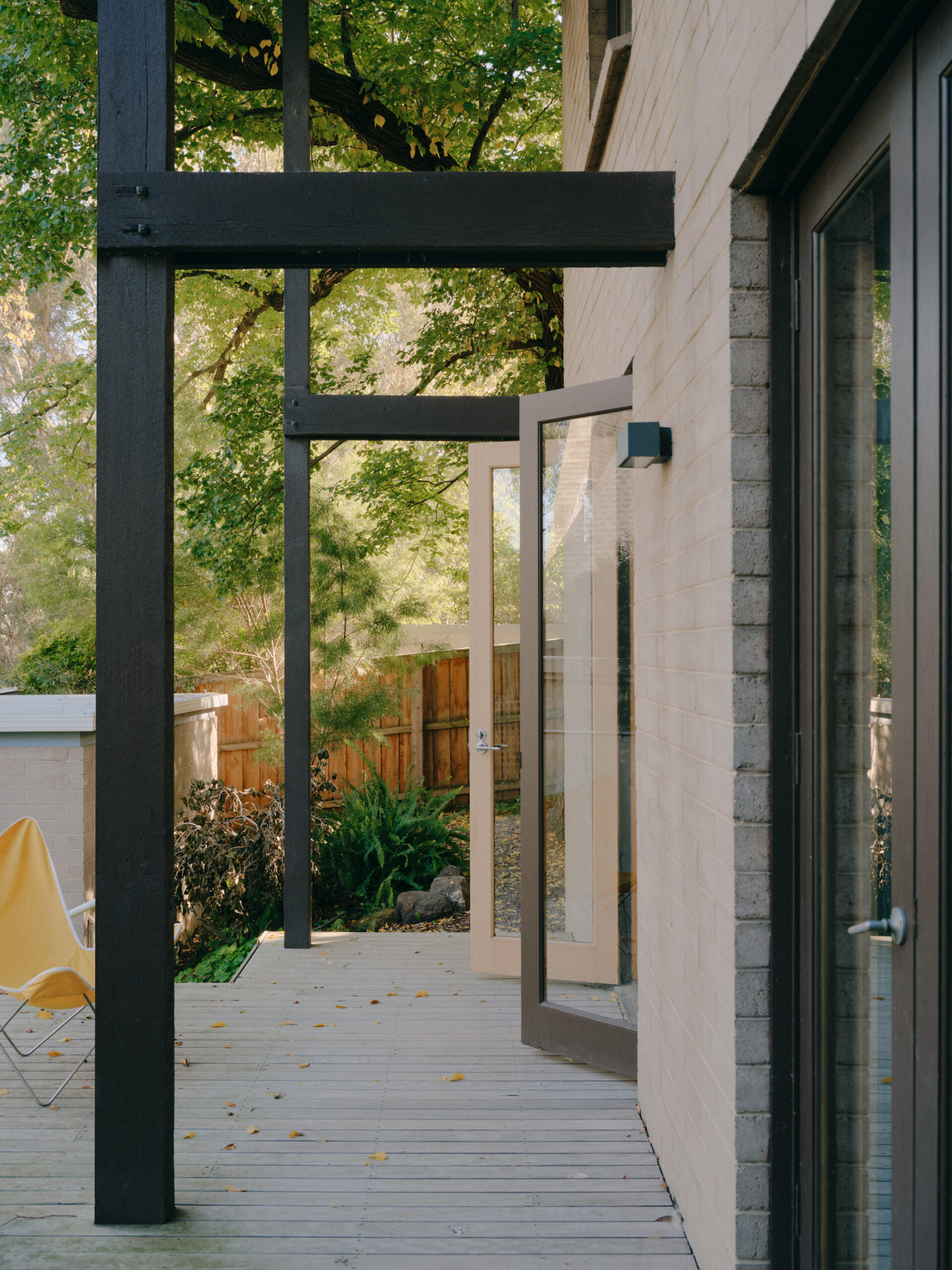
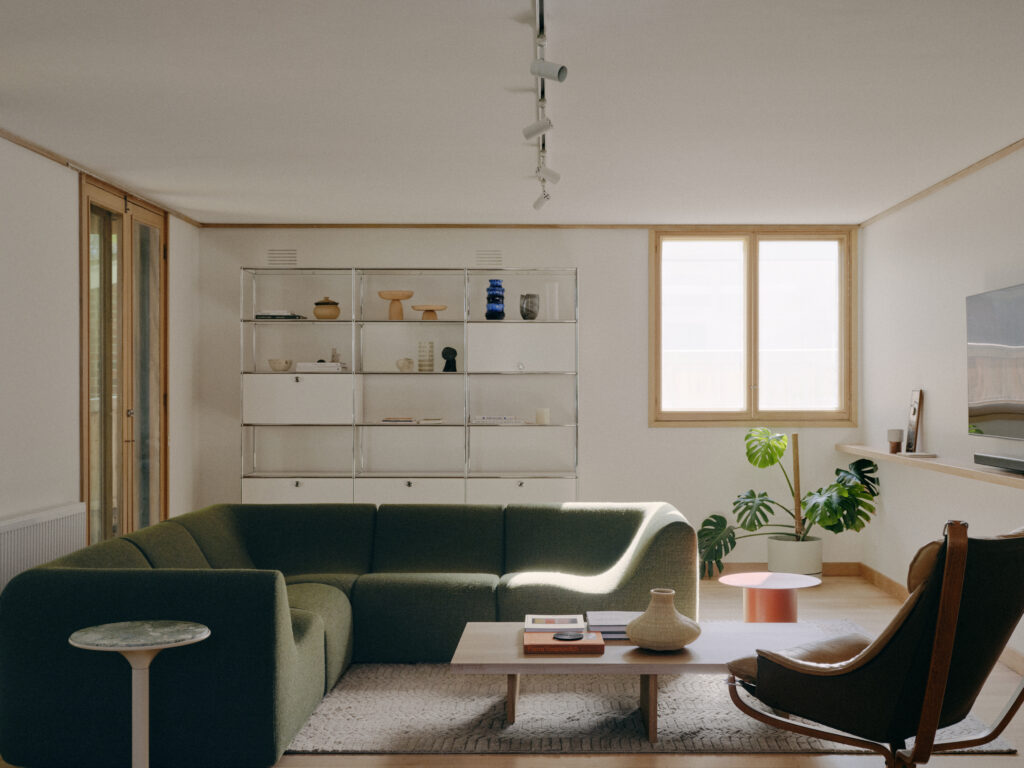
Collaboration and craft
Heritage projects demand precision and careful coordination.
Projects involve collaboration with experienced residential builders, engineers, sustainability consultants, and specialist trades familiar with traditional materials and construction techniques.
This collaborative approach ensures design intent is carried through construction with rigour.
Heritage experience
Our heritage experience includes:
- Victorian, Edwardian, and other heritage homes within Heritage Overlay precincts
- carefully adapted family residences
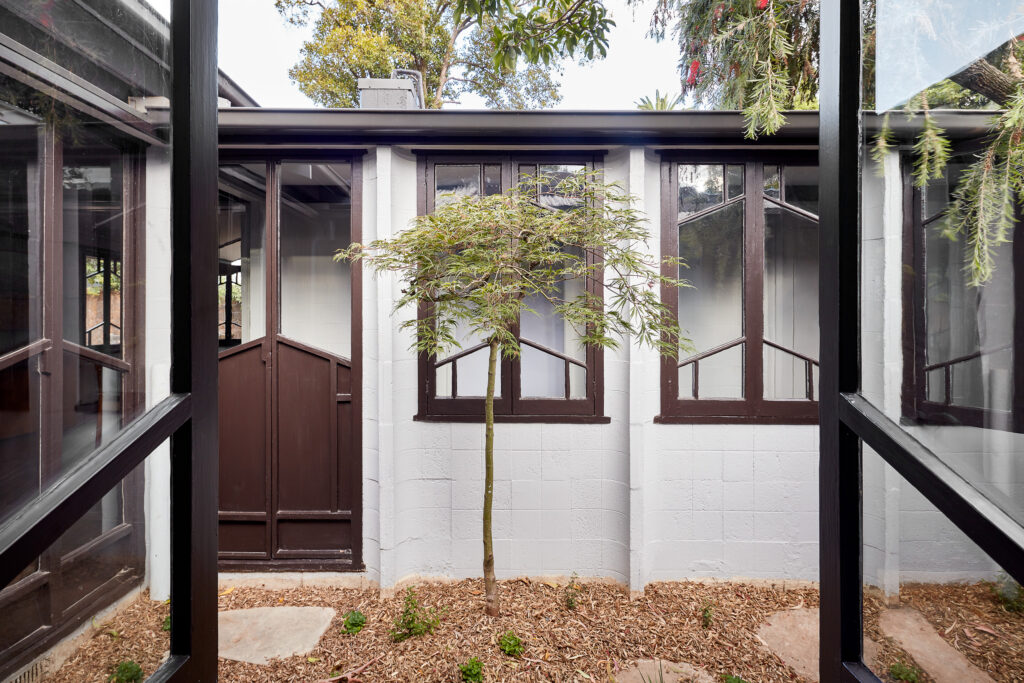
- contemporary rear and upper-level extensions to heritage homes
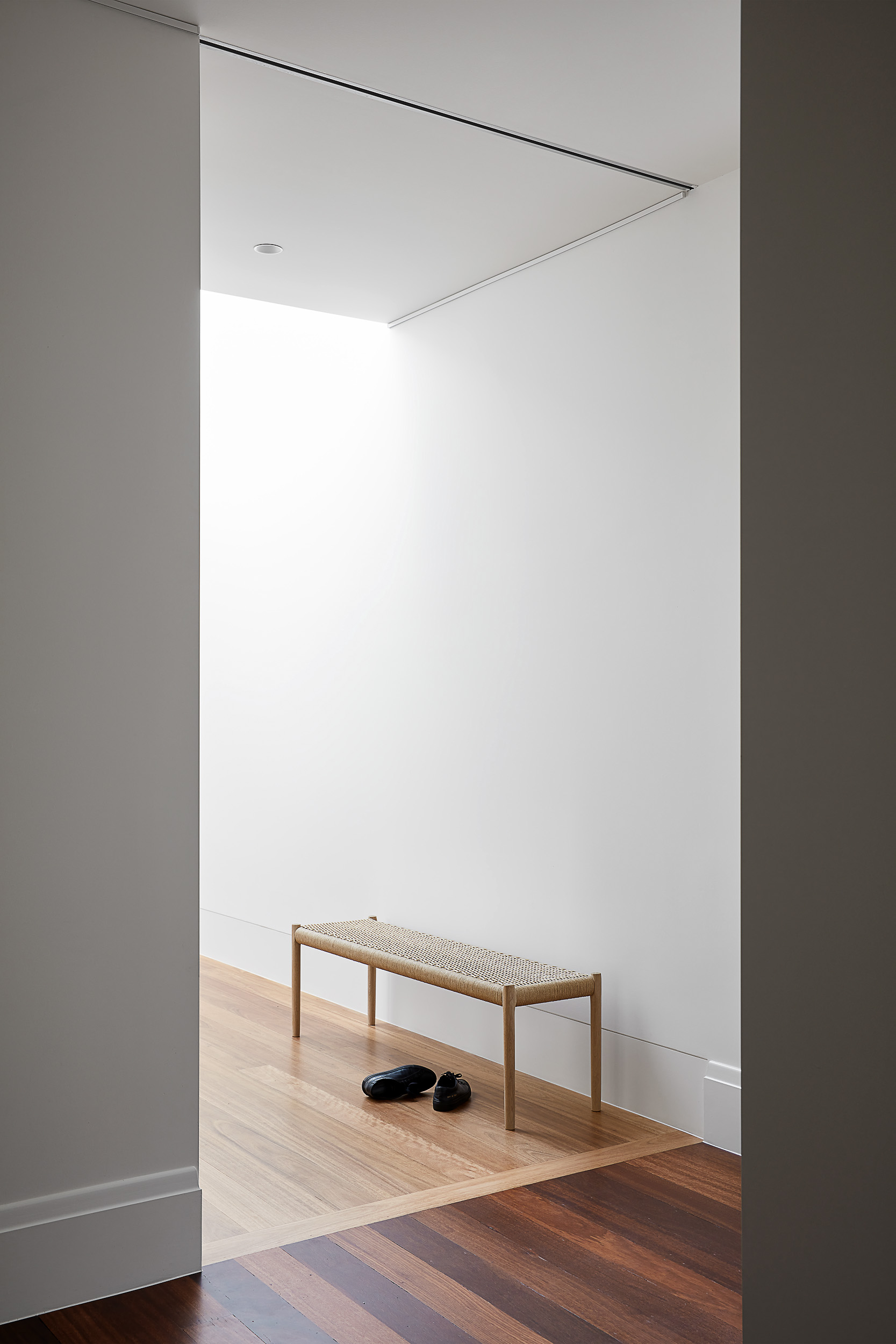
- mid-century modern renovations and adaptations
- projects integrating environmental upgrades within historic fabric
- thoughtful renewal of later twentieth-century homes
Each project responds to its specific context rather than applying a predetermined style.
Related projects include Former Salter House in Toorak, Ivanhoe House, Fitzroy House, and Princes Hill Federation Home Extension Targeting Passivhaus.
Planning a heritage project?
If you are planning to restore, renovate, or extend a heritage home, early architectural advice helps clarify both the process and the long-term potential of the property.
For many clients planning a heritage renovation or extension, this conversation begins with a Master Plan Session, where planning constraints, conservation priorities and future possibilities are explored before design work begins.