
Working With an Architect: How We Guide Your Project From Concept to Completion
July 2021
As registered architects, we are experts and professionals who take the lead on all aspects of your project, always keeping your best interests in mind.
This blog post explains some of the key aspects of working with us and how our process enables the best possible outcome for your project.
For many projects, this early work is undertaken as part of a Master Plan or feasibility study, which sits ahead of detailed design. This stage allows priorities, constraints, budget, and long-term goals to be explored and tested before the design direction is set, providing clarity and confidence as the project moves forward.
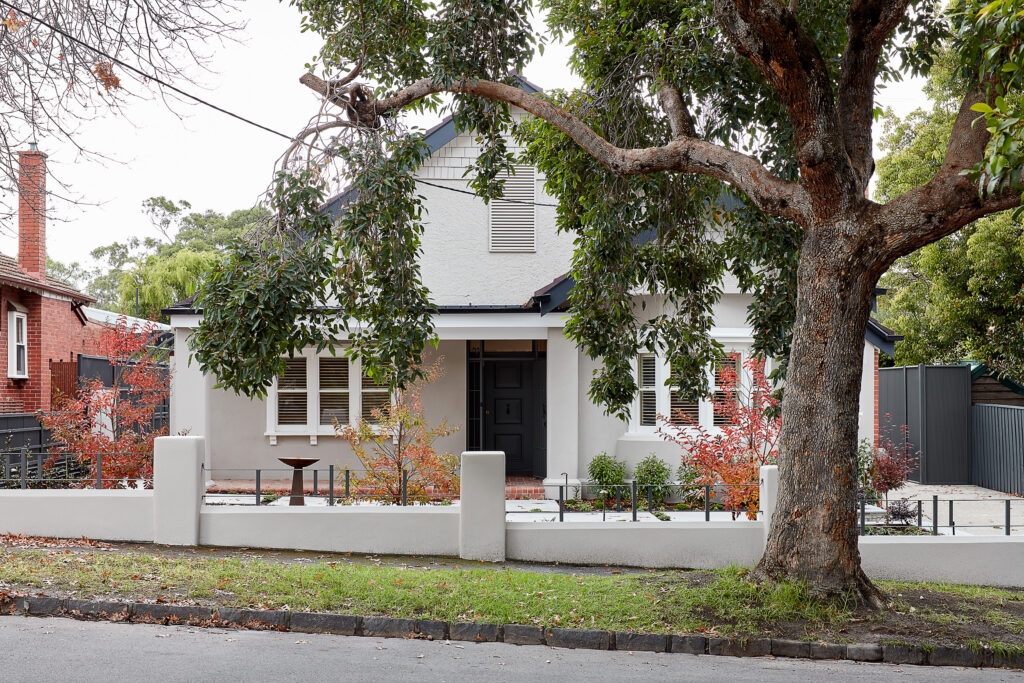
Establishing the Direction for Your Project
The beginning of your project is about setting a clear and confident direction for the architecture and interiors.
The conversation starts with a series of discussions and mood imagery to discover what inspires you. At the beginning of the project, we take time to listen and understand your needs and aspirations.
From these discussions, we establish the project’s direction for the architecture and interiors, including architectural style and form, along with the materials and finishes palette. This is informed by in-depth conversations and a review of any imagery you may have, such as reference images or a Pinterest account.
This is a critical stage of the project, as it allows us to create a design direction that genuinely reflects what inspires you and how you want to live.
Using Mood Imagery to Refine the Design Direction
This stage is followed by a presentation of mood imagery for both the architecture and interiors. This provides an opportunity to confirm we are heading in the right direction and to gather your feedback before moving forward.
Developing the Outline Brief
Concurrently with establishing the design direction, we obtain an outline brief for your project.
At this early stage, the outline brief captures your key requirements, such as the number of bedrooms, bathrooms, and living spaces. Our preference is to develop this through discussion, where we ask a series of considered questions, rather than asking clients to prepare a detailed brief themselves.
When working with heritage renovations and extensions, this stage also allows us to identify constraints such as existing layouts, planning controls, heritage protections in Victoria, and heritage overlays early in the process.
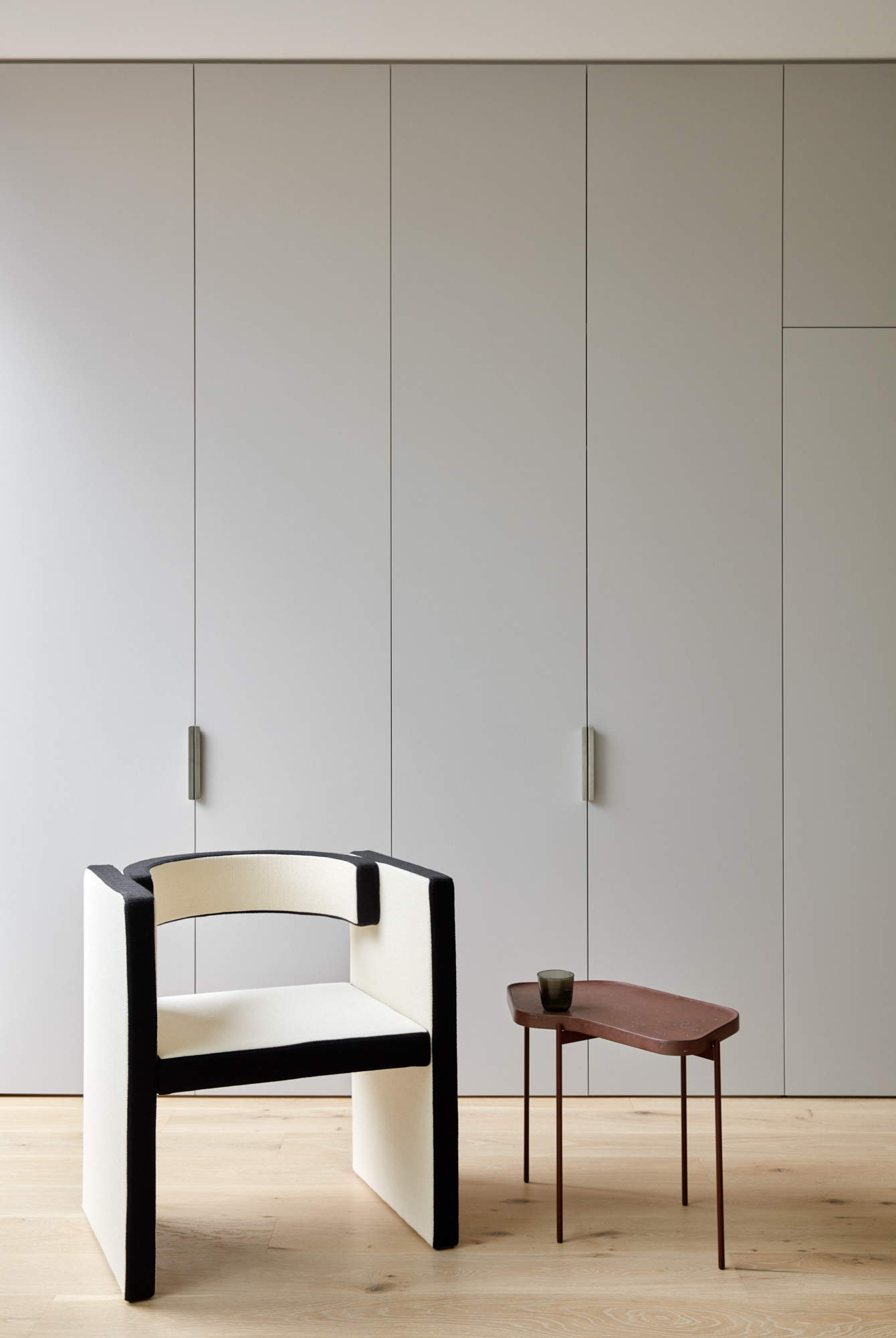
Preparing a Detailed Design Brief
The outline brief then develops into a comprehensive and detailed briefing document.
This document acts as a checklist that confirms all of your requirements in detail. For example, in a kitchen we confirm loose appliances to ensure each item has a dedicated home. For robes, we confirm your needs for hanging space, drawers, shelving, and storage.
This process gives you confidence that your new build, renovation, alteration, extension, or addition will reflect your brief, with every detail considered carefully and professionally, and always with your budget in mind.
Selecting Materials, Finishes, and Fixtures
In addition to leading the project’s direction and briefing process, we also take the lead on the selection of materials, finishes, fixtures, and fittings.
With the architectural and interior direction established early, we are able to make informed and cohesive selections that suit your project. These selections are presented to you at key milestones, where you have the opportunity to provide feedback.
Your home is a significant investment, and this process ensures that decisions are made thoughtfully, efficiently, and in your best interests.
Why Architect-Led Decision Making Matters
We are professionals with in-depth knowledge and experience, and one of our most important roles is to minimise risk and avoid costly mistakes.
Our clients value that good architecture and interiors go beyond aesthetics. We consider function, cost, longevity, and buildability to deliver successful outcomes across retrofit, renovations, alterations, extensions, and additions.
Let’s Talk About Your Project
Read more about our experience delivering Passivhaus homes, heritage renovations, and bespoke residential extensions here.
If you have a project in mind, we’d love to hear about it. Start a conversation with us.