
Do Passivhaus Homes Need Heating and Cooling in Melbourne?
August 2019
Last updated February 2026
In Melbourne’s climate, Passivhaus homes still require active heating and cooling — but the systems are significantly smaller and simpler than those used in conventional homes.
Because heating and cooling demand is dramatically reduced through insulation, airtightness, and high-performance glazing, most projects can be comfortably maintained with one or two small split systems rather than ducted heating or large hydronic systems.
For many projects, decisions about heating and cooling systems are first explored during a Master Plan or feasibility study, which sits ahead of detailed design. This early stage allows performance targets, budget, and servicing strategies to be tested together, ensuring that Passivhaus principles are integrated holistically rather than added later.
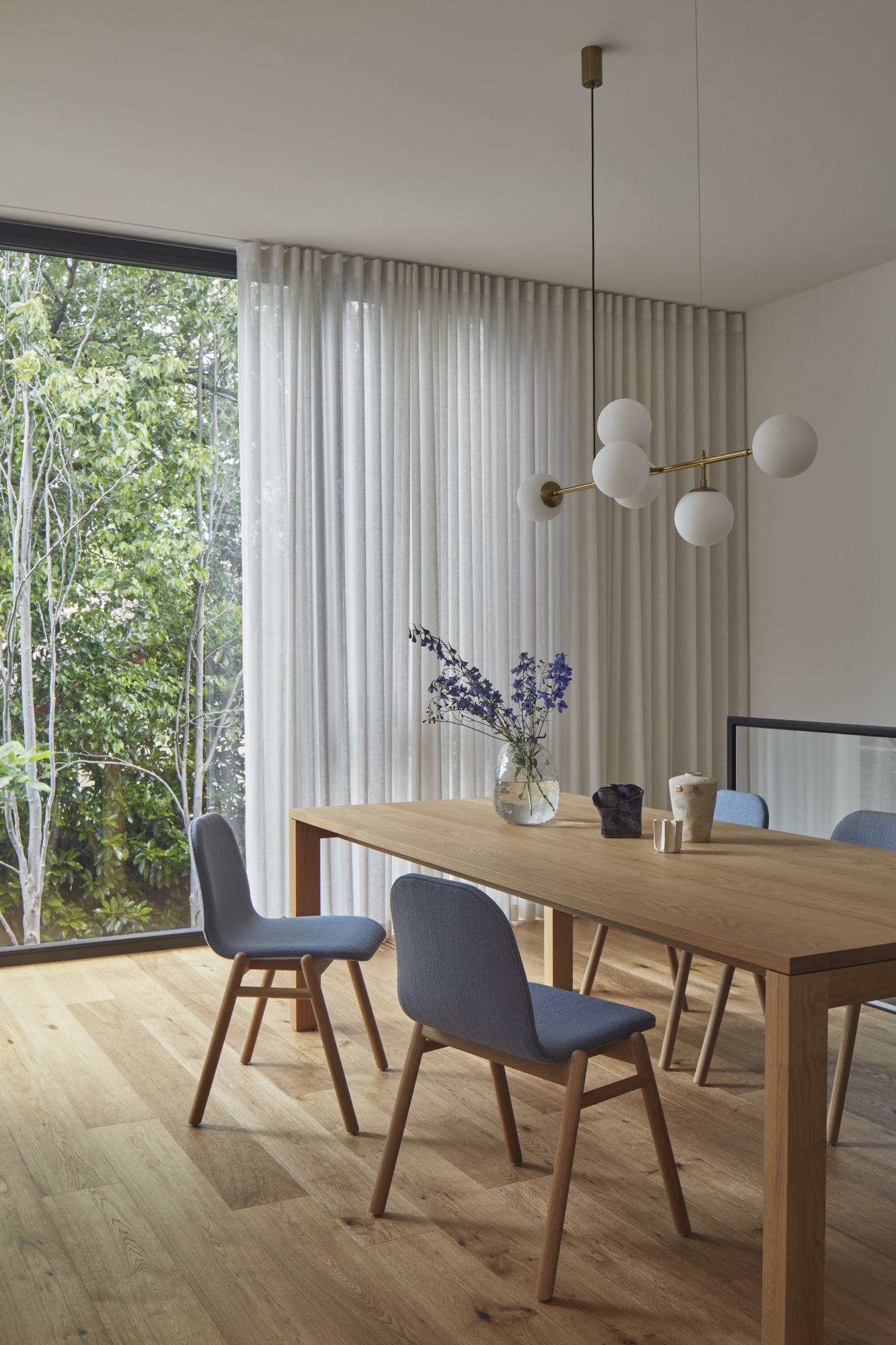
The reason Passive Houses use minimal active systems comes down to their design principles: airtight construction, high levels of insulation, high-performance windows, and careful orientation. These elements drastically reduce heat loss in winter and heat gain in summer, meaning your home stays comfortable with minimal energy use.
In practical terms, this means internal temperatures fluctuate far less over a 24-hour period compared to standard construction. Instead of large peaks and drops in temperature, the building fabric moderates the indoor environment, so the active system only needs to “top up” heating or cooling rather than constantly compensate for heat loss or gain.
There are examples of homes built in Australia following Passive House principles, in climates similar to Melbourne, where people have installed wood fires — only to find they have used them only a few times over several winters.
Melbourne’s climate is mixed — with cool winters, warm summers, and increasingly extreme heat events. While Passivhaus dramatically reduces heating demand, some cooling will still be required during peak summer conditions. The difference is that the required capacity is far lower than in a typical home built to minimum code standards.
Beyond energy efficiency, Passive Houses also offer improved indoor air quality, consistent indoor temperatures, and long-term cost savings. For clients, this means not only lower energy bills but a healthier and more comfortable living environment.
So, do Passivhaus homes in Melbourne need heating and cooling?
Yes — but far less than a typical home. The goal is not to eliminate active systems entirely, but to reduce energy demand so dramatically that heating and cooling become simple, efficient, and predictable.
For homeowners, this often means lower upfront servicing costs, lower running costs, and a more stable, comfortable indoor environment year-round. The key is modelling performance early and designing the building envelope properly before selecting systems.
If you’re considering a high-performance home, early feasibility testing can clarify what level of heating and cooling will actually be required for your site and brief.
If you’re considering a high-performance home in Melbourne and would like to understand what heating and cooling might look like for your project, we’re happy to discuss feasibility at an early stage.