
A Simple Guide to Architecture and Construction Terms
July 2012
Last updated October 2026
Introduction
Navigating a building or renovation project can feel overwhelming, especially with unfamiliar terms and industry jargon. From architects and contractors to contingency sums and provisional allowances, understanding construction language is helpful. It assists in making informed decisions and stay in control of your project.
To make things easier, we’ve created a glossary of essential architecture and construction terms. It explains what each term means, why it matters, and how it applies to your project. Whether you’re planning a new build, renovation, or extension, knowing these terms gives you confidence when working with your architect, builder, and consultants.
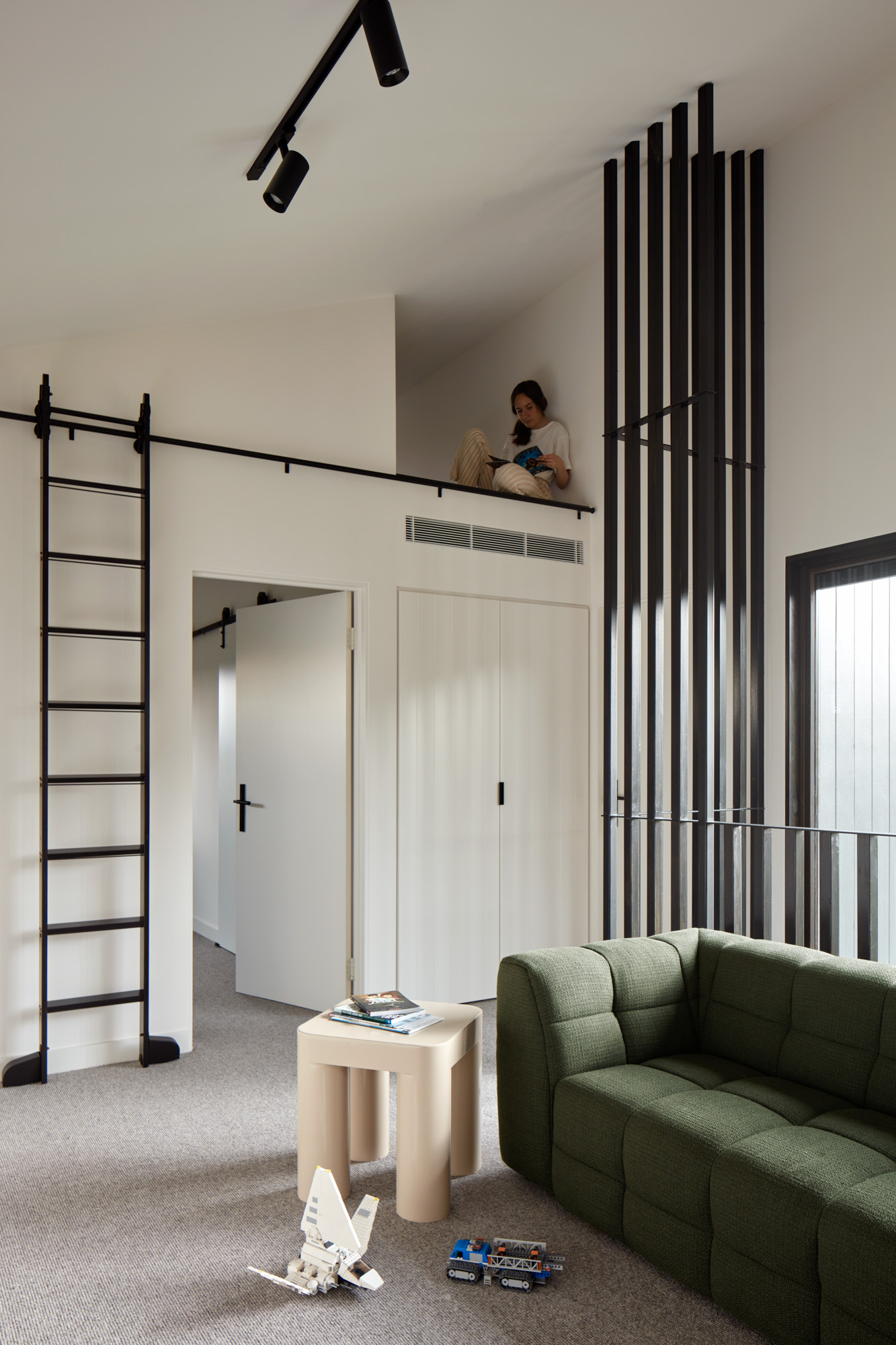
The Glossary of Terms
Brief: A brief is a document that outlines the client’s requirements for a project. It typically includes details about accommodation, budget, and project timeline.
Contingency Sum: A contingency sum sets aside part of the budget to cover unexpected costs. The sum can be included in the contract or held separately for unforeseen matters.
Contingency Sum – Design: The design contingency is an allowance in the project budget. This is for unknown or unresolved costs during the early design phase. This sum is typically larger early on and decreases as the design develops.
Contract Documents: Contract documents include all written documents that form the contract between the owner and the contractor. This includes agreements, special conditions, drawings, specifications, and any other relevant documentation.
Contract Price: In a building project, the contract price is the total amount, including GST, that the owner agrees to pay the contractor.
Contractor: A contractor is the building professional responsible for executing the construction work, otherwise known as the builder.
Cost of Building Work: This refers to the actual net cost of the works, excluding GST.

Estimate: A judgement or forecast of the cost of a project based on knowledge, experience and available information.
Feasibility Study: A judgement of the likely costs of your project. This is often prepared during a feasibility study and refined as the design and documentation progress.
Latent Condition: A latent condition is a physical issue on or near the site that a competent contractor would not anticipate through standard inspection or review of site information.
Owner: The owner is usually the landowner. In some contracts, such as tenancy fit-outs, the term refers to the party with legal rights to the works rather than the land.
Particular Person: A particular person is a firm or individual the architect specifically selects. The architect identifies them in an ABIC building contract to perform work or supply items for the project.
Prime-Cost Sum: The architect includes a prime-cost sum in the contract for a foreseeable item whose exact details are unknown at the time of signing.
Project Budget: The project budget is the total funds available for the project. It includes building costs, provisional sums, escalation, contingency sums, consultant fees, GST, furniture, approvals, and any other costs defined by the client.
Provisional Sum: A provisional sum is a contract allowance the builder includes for foreseeable work when the details are not yet fully defined.
Specialist Consultant: A specialist consultant focuses on a specific area of expertise and contributes to particular parts of the project. They usually act as a secondary consultant or subconsultant when engaged.
Subcontractor: A subcontractor is a firm or individual the main contractor hires to perform part of the work or supply and install items. The main contractor engages, supervises, and pays them. Subcontractors differ from those the owner contracts directly.
Variation: A variation is any change to the scope of work, order of contract documents, dimensions, materials, or workmanship of the project.
Work: In construction, work refers to the activities, labour, and processes the contractor performs throughout the project.
Works: Works are the completed construction as specified in the contract documents, the finished product of the project.
If it’s helpful to understand a little more about who I am and how we work, you can read more about Jane Cameron Finlay FRAIA, Director of Jane Cameron Architects.
Find out more about Jane Cameron Architects and how we work.
If you value having an architect act as your advocate throughout design and construction, we’d be happy to talk through how we work with clients.