
The Rise of Passive House in Australia: High-Performance, Energy-Efficient Homes
September 2019
This blog post was updated in February 2026 to reflect recent Australian policy developments and industry momentum.
Chris Nunn, former Chair of the Australian Passivhaus Association, observed at the time:
“In light of the dissatisfaction many people have with the current building stock – in terms of quality and the cost to keep warm and cool – this early growth of Passivhaus in Australia is the beginning of a new era of high quality, high performance, ultra-low energy buildings that Australians will really appreciate.”
Industry data indicates a steady increase in certified buildings, along with many projects currently in design or under construction across Australia. What was once considered niche is now becoming part of a broader conversation about building performance and quality.
Growing Industry Recognition in Australia
Recent years have marked a notable period of growth in Australia’s Passivhaus sector, with increased certification activity, growing policy recognition, and strong engagement at industry events.
Passive House Momentum Across Australia
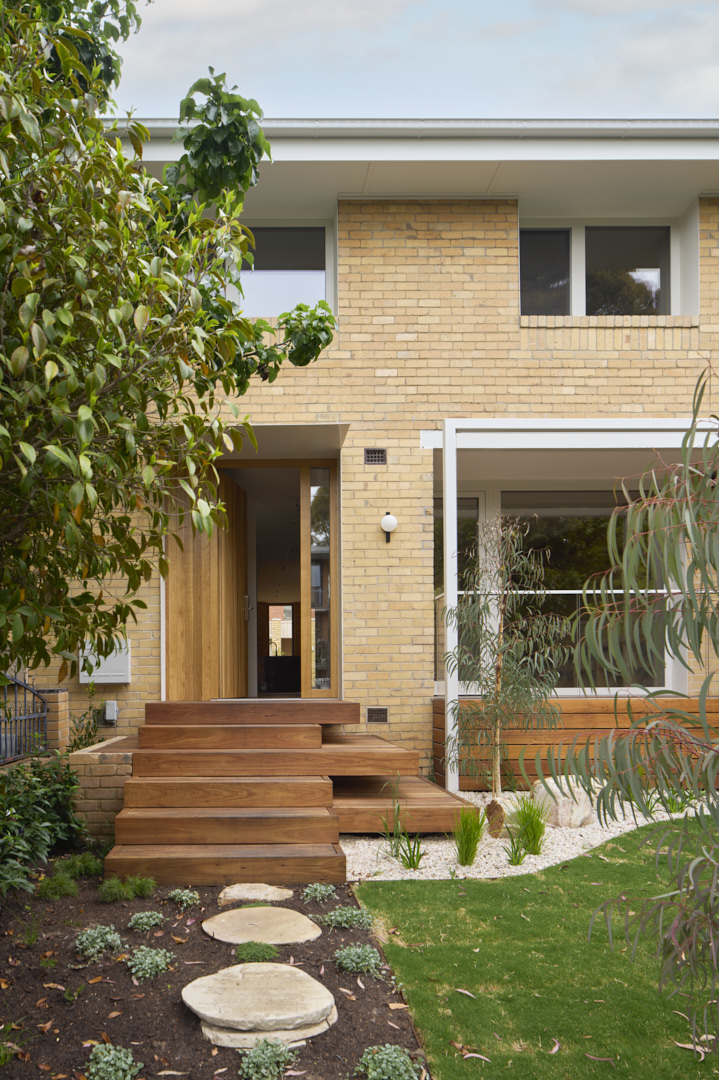
At the residential scale, projects targeting Passivhaus certification demonstrate how the standard can be applied within existing Australian housing stock, including deep retrofit contexts.
Australia’s first Passive House was completed in 2014. While early uptake was slow, current activity suggests the market has reached a turning point. Passive House principles are increasingly recognised as a viable response to concerns about building quality, comfort, and rising energy costs.
Passive House Beyond Residential Homes
Importantly, adoption of the standard is no longer limited to single dwellings. It is now being applied across commercial, education, hospitality, and large-scale residential sectors, highlighting growing confidence from clients, institutions, and developers.
Education and Institutional Buildings
The German International School in Sydney is one of the first education facilities in Australia to adopt the Passive House standard. Its innovative cross-laminated timber classrooms have received a Sustainability Design Award, illustrating how Passive House principles can support healthy learning environments and contemporary construction methods.
In parallel, Schools Infrastructure NSW has commissioned research exploring the feasibility of delivering schools to the Passive House standard, signalling growing interest at an institutional level.
Key Australian Passive House Milestone
Significant milestones include Monash University’s Gillies Hall, the first large-scale building in the southern hemisphere to achieve Passive House certification, and The Fern, an apartment building in Sydney recognised as Australia’s first certified Passive House apartment development.
Together, these projects demonstrate that Passive House is adaptable across building types, scales, and procurement models.
Global Context and Future Growth
The Passive House approach began in Germany in the early 1990s, and the Passivhaus standard has since expanded internationally across housing, education, and commercial sectors. Its continued adoption reflects a growing demand for buildings that deliver measurable performance outcomes rather than relying solely on minimum compliance pathways.
Australia’s growing engagement with the Passivhaus standard reflects this broader international shift toward measurable building performance.